DeFi (Decentralized Finance): Risks and Opportunities for Your Portfolio
Decentralized Finance, commonly referred to as DeFi, represents one of the most transformative developments in cryptocurrency. Unlike traditional finance where banks and institutions control your money, DeFi operates through smart contracts on blockchain networks, removing intermediaries from financial transactions. For investors seeking higher returns and financial sovereignty, understanding DeFi presents both significant opportunities and substantial risks.
What is Decentralized Finance (DeFi)?
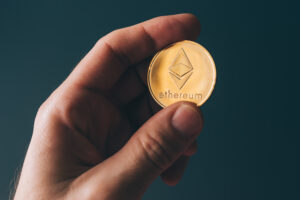
DeFi encompasses all financial services built on blockchain networks, primarily Ethereum, that operate without traditional intermediaries. These services include lending, borrowing, trading, insurance, and derivatives—essentially replicating traditional financial services but through decentralized protocols.
A DeFi platform operates through smart contracts, which are programs automatically executing when predetermined conditions are met. Users interact directly with these contracts, retaining custody of their assets in self-custodied wallets. This fundamental difference from traditional banking eliminates reliance on institutions to manage your money correctly.
The DeFi ecosystem has grown exponentially since 2019. Total value locked in DeFi protocols exceeded $100 billion by 2025, with hundreds of platforms offering various services. Major DeFi platforms include Aave, Uniswap, Curve Finance, and Lido, each serving different functions within the ecosystem.
DeFi Lending: Earning Yield on Your Crypto
One of DeFi’s primary attractions is yield farming—earning returns by providing liquidity or lending assets. Traditional bank savings accounts offer minimal returns, typically 0.5-2% annually. DeFi platforms frequently offer 5-20% annual percentage yields (APY), sometimes higher.
In lending protocols, you deposit cryptocurrency and receive interest payments from borrowers. Aave, the largest lending protocol, allows you to deposit assets and earn passive income. Your rewards come from borrowers paying interest to access liquidity. These interest rates fluctuate based on supply and demand dynamics.
However, higher yields accompany higher risks. You’re essentially lending to anonymous parties on the blockchain with no legal recourse if loans default. Your collateral protection depends entirely on the smart contract’s security and the platform’s risk management mechanisms.
Impermanent Loss: A Unique DeFi Risk
When providing liquidity to decentralized exchanges, you deposit equal values of two assets, say $1,000 each of ETH and USDC. The exchange charges trading fees to users, which accrue to you. However, if asset prices diverge significantly, you experience impermanent loss.
For example, if ETH doubles while USDC remains stable, your position automatically rebalances to maintain equal values. You end up with more USDC and less ETH than you would have simply holding both assets. This loss becomes permanent if you withdraw your liquidity after the price movement.
Understanding impermanent loss is crucial before participating in liquidity pools, especially on volatile asset pairs. Stable coin pairs experience minimal impermanent loss, while high-volatility pairs present substantial risk.
Smart Contract Risk: The Hidden Danger
Every DeFi platform depends on smart contract code functioning perfectly. A single vulnerability can result in complete loss of user funds. The 2023 Ronin Bridge hack resulted in $625 million theft, while the Terra Luna ecosystem collapse eliminated approximately $40 billion in value following smart contract failures.
Audited smart contracts reduce but don’t eliminate this risk. Even contracts audited by reputable firms have experienced exploits. New platforms launching experimental protocols carry substantially higher risk than established protocols with years of track record.
Cryptocurrency Volatility Amplification
DeFi protocols often employ leverage, allowing users to borrow assets to increase their positions. While leverage amplifies gains, it exponentially amplifies losses. During the 2022 crypto crash, cascading liquidations throughout DeFi protocols triggered margin calls, forcing asset sales at precisely the worst time, exacerbating market collapse.
Using leverage in DeFi is extremely risky for beginners. Without thorough understanding of liquidation prices and risk management, leverage transforms DeFi from a wealth-building opportunity into a path to catastrophic losses.
DeFi Governance Tokens: Speculative Opportunity
Many DeFi platforms issue governance tokens allowing holders to vote on protocol decisions. These tokens often appreciate as protocols grow and gain adoption. However, they’re fundamentally speculative investments. Some projects have generated exceptional returns, while countless others have declined to zero.
Governance tokens provide governance rights, occasional fee distributions, and speculation opportunities. They’re not passive income generators but rather speculative assets requiring active analysis and risk management.
Practical Opportunities for Conservative Investors
Despite the risks, conservative investors can participate in DeFi safely. Staking stablecoins on established protocols like Aave generates 3-8% returns with minimal risk. This approach converts your capital into productive assets earning yields unavailable through traditional banking.
Another conservative approach involves liquidity provision on stablecoin pairs, which prevents impermanent loss while generating trading fees. USDC/USDT or USDC/USDC equivalents offer near-risk-free yield generation.
Risk Management Best Practices
Before entering DeFi, implement strict risk management: Never invest more than you can afford to lose entirely. Allocate only a small percentage of your portfolio to DeFi experimentation. Diversify across multiple platforms and strategies rather than concentrating in single protocols. Start with established platforms with substantial track records. Research team backgrounds and project fundamentals thoroughly.
Use hardware wallets for larger holdings and interact with protocols only through official websites, never through links in emails or messages. Many DeFi losses result from phishing attacks and fraudulent websites rather than platform failures.
Regulatory Considerations
DeFi’s regulatory status remains undefined globally. Governments are developing frameworks that could significantly impact DeFi profitability through taxation or restrictions. Tax implications of DeFi activities remain complex, with many gains generating unexpected tax liabilities.
The Future of DeFi
Despite current challenges, DeFi innovation continues accelerating. Integration with traditional finance, improved user experience, and robust risk management tools are expanding DeFi’s appeal to mainstream investors. However, remain skeptical of promises of guaranteed returns—if it sounds too good to be true, it certainly is.
Conclusion
DeFi presents legitimate opportunities for generating returns on cryptocurrency holdings while advancing financial independence. However, it carries substantial risks requiring extensive knowledge and careful risk management. Begin conservatively with stablecoin strategies, gradually expanding as your understanding deepens. Never use leverage without comprehensive knowledge of liquidation mechanics. Treat DeFi as a high-risk, high-reward opportunity sector, allocating only a portion of your investment portfolio that you can afford to lose completely.
Sources:
- Ethereum Foundation. (2023). “DeFi Overview.” Ethereum.org
- DeFiLlama. (2026). “DeFi Protocol Analytics.”
- Chainalysis. (2024). “DeFi Security Report.” (Publicado dentro de su análisis global de seguridad y mercados Crypto Spring)
- U.S. Securities and Exchange Commission. (2023). “Cryptocurrency and DeFi Guidance.”
- Journal of Financial Economics. (2024). “Smart Contract Risks in Decentralized Finance.” (Estudio enfocado en los riesgos sistémicos y las interdependencias de código en DeFi)